
MESSAGE
FROM THE PRESIDENT & BOARD OF DIRECTORS
ANNUAL REPORT 2025
ECO-FEMINISM, CLIMATE JUSTICE, TERRITORY
The year 2025 represents a defining moment for Environmental Women Org and for the Indigenous territories where we work. It is not simply another year of project implementation; it is a year marked by deepening climate instability, persistent social inequalities, and the growing urgency to rethink how environmental governance is designed, who leads it, and whose knowledge is considered valid.
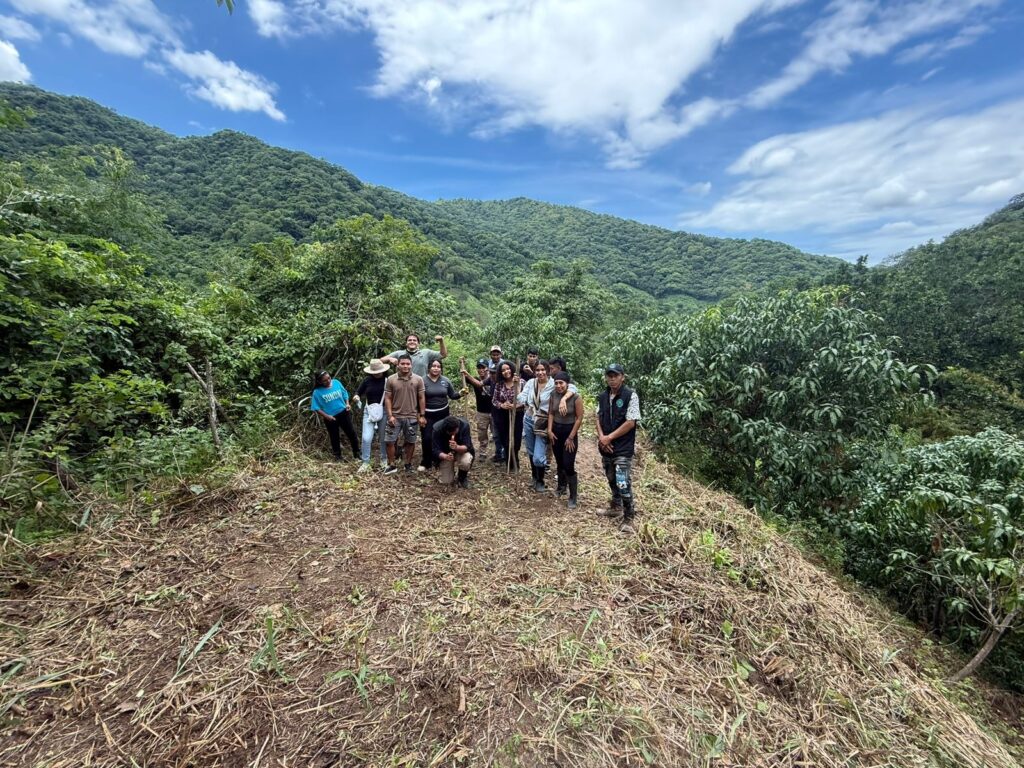
Across the Colombian Andean mountains and the Caribbean foothills of the Sierra Nevada de Santa Marta, climate change has ceased to be an abstract threat. Prolonged droughts, increasingly frequent forest fires, water scarcity, biodiversity loss, and climate-driven health crises are now daily realities for Indigenous communities. These impacts are not neutral. They intersect with gender, ethnicity, age, and historical exclusion, producing disproportionate burdens on Indigenous women, girls, and LGBTI people who sustain life, water, forests, and care systems under conditions of structural neglect.
In this context, 2025 has demanded more than technical responses. It has required political clarity. Environmental Women Org approaches this moment from a firm conviction: environmental crises cannot be addressed without justice, and justice cannot exist without recognizing Indigenous women as political and technical subjects—not as beneficiaries, not as informal caretakers, but as decision-makers, knowledge holders, and architects of territorial futures.
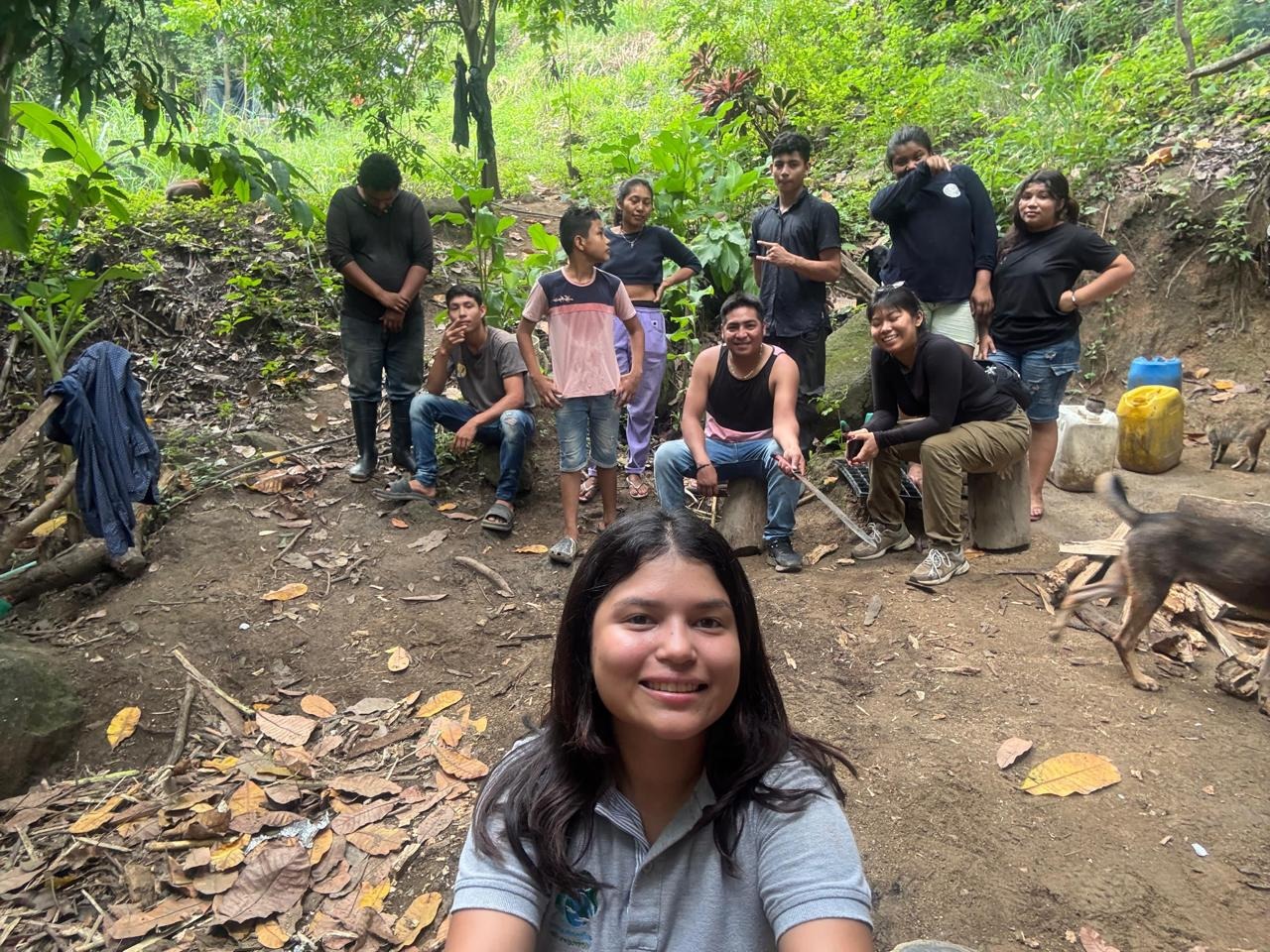
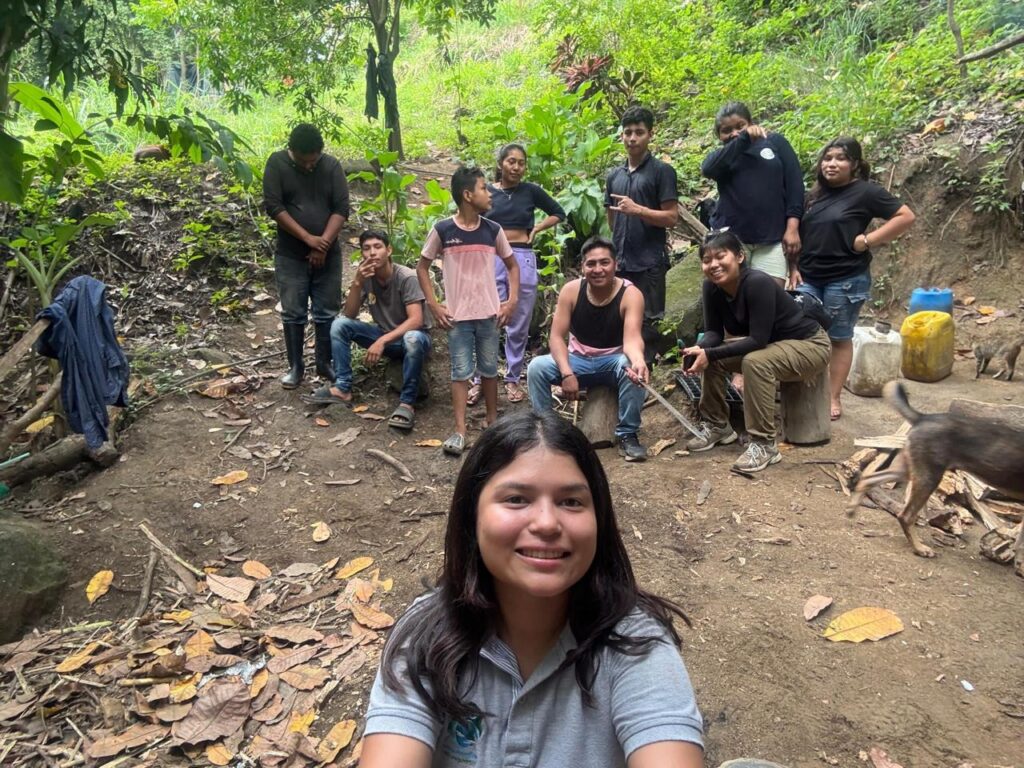
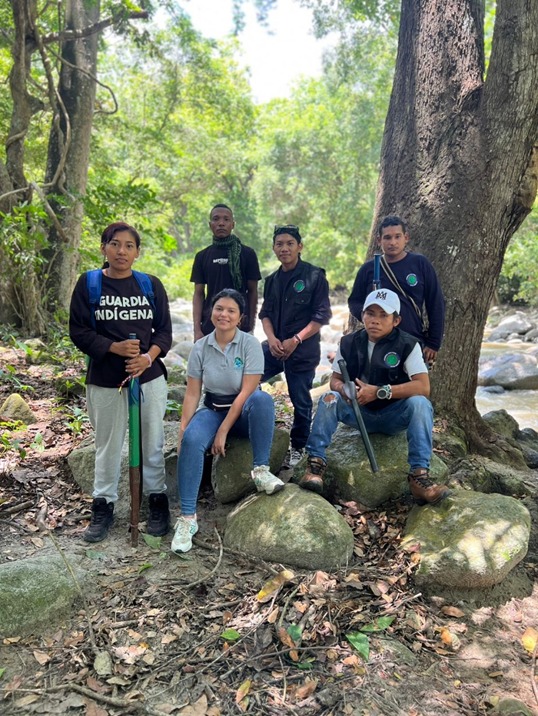
Throughout 2025, Indigenous women from the Narakajmanta and allied peoples have led processes that challenge dominant models of environmental intervention. They have designed and governed community-based climate observatories, forest monitoring systems, health and nutrition responses, digital connectivity
MESSAGE
FROM THE PRESIDENT & BOARD OF DIRECTORS
continued
infrastructures, and conservation strategies that integrate ancestral knowledge with advanced technologies. These actions are not symbolic. They are concrete exercises of self-determination, environmental governance, and feminist leadership in territories historically shaped by armed conflict, extractivism, and institutional absence.
Our work this year has taken place at the intersection of environmental justice, gender equality, and technology. We understand technology not as an external or neutral tool, but as a political instrument that can either reproduce exclusion or be reclaimed to strengthen Indigenous autonomy. For this reason, Environmental Women Org has prioritized community-owned digital systems, climate data governance led by women, and technological solutions that respond to territorial realities rather than imposing external models.
The environmental justice approach that guides our organization recognizes that climate impacts are inseparable from violence, health inequities, and economic dispossession. Water insecurity exposes women and girls to gender-based violence. Forest degradation erodes cultural memory and livelihoods. Climate-driven diseases disproportionately affect those responsible for water collection and care. Addressing these realities requires integrated responses that combine environmental protection, public health, gender justice, and territorial governance.
In 2025, Environmental Women Org has consolidated itself not only as an implementing organization, but as a strategic actor capable of producing evidence, influencing policy, and building scalable models rooted in Indigenous governance. Our partnerships with Indigenous authorities, universities, international foundations, and cooperation agencies are grounded in trust, accountability, and a shared commitment to systemic change. This Annual Management Report documents more than activities and results. It reflects a political position: that the future of climate action must be led from the territories most affected, by those who have historically been excluded from decision-making spaces. Indigenous women are not on the margins of climate solutions—they are at the center of them.
As we look toward the coming years, our commitment remains clear. We will continue to strengthen Indigenous women’s leadership, expand community-governed technological infrastructures, and advocate for environmental justice frameworks that place life, dignity, and territorial sovereignty at their core. In a world facing accelerating ecological collapse, these are not optional pathways; they are essential ones.
With respect and commitment,
Nadia Paola Rodriguez Mendoza
Legal Representative and Director
ENVIRONMENTAL WOMEN ORG
+ There are no comments
Add yours