ANCESTRAL ETTE-ENNAKA RELAXATION AND HEALING PRACTICES FOR MENTAL HEALTH RECOVERY:
An Intercultural Framework Integrating Indigenous Massage, Meditation, and Aromatic Therapies
BY: ENVIRONMENTAL WOMEN ORG
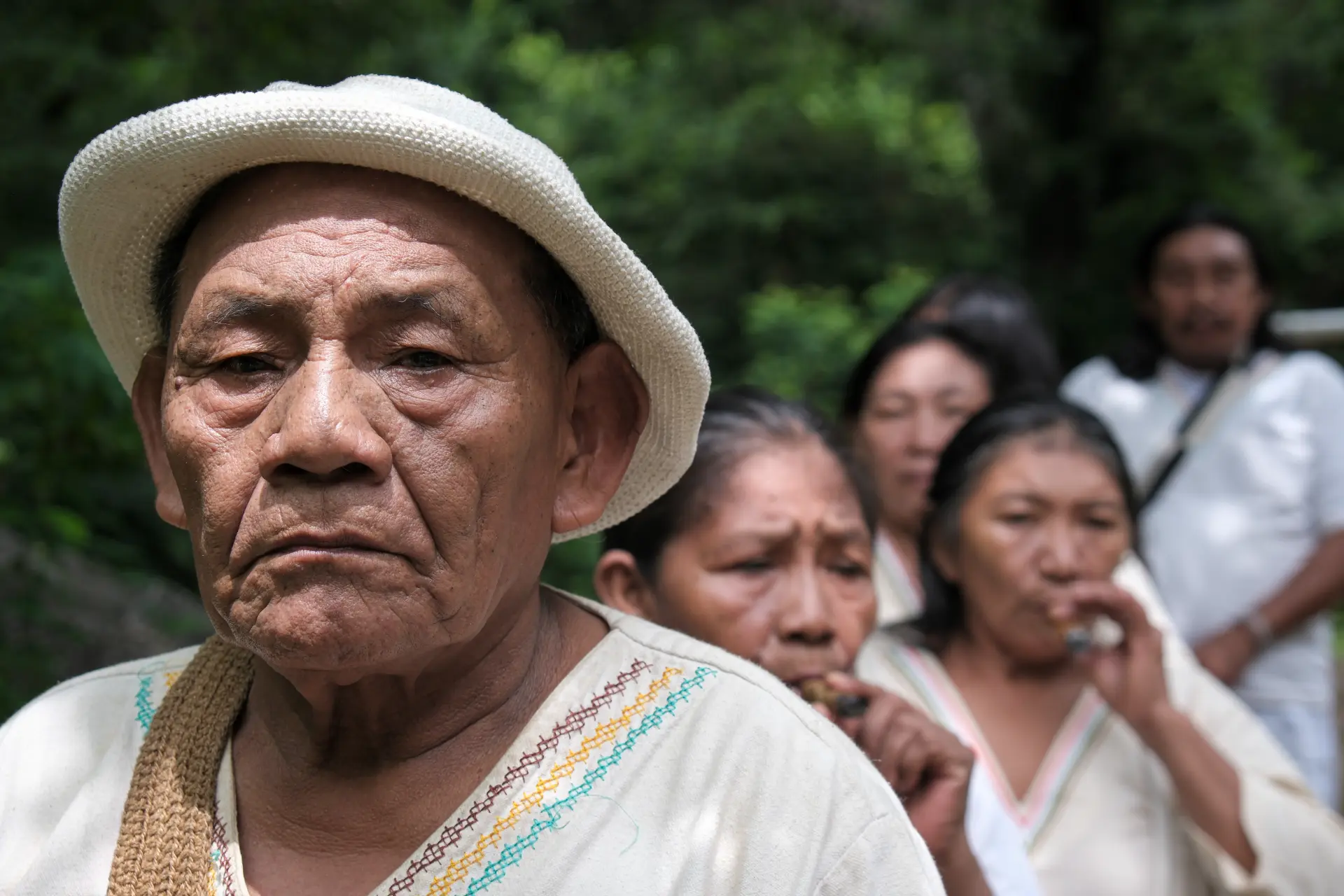
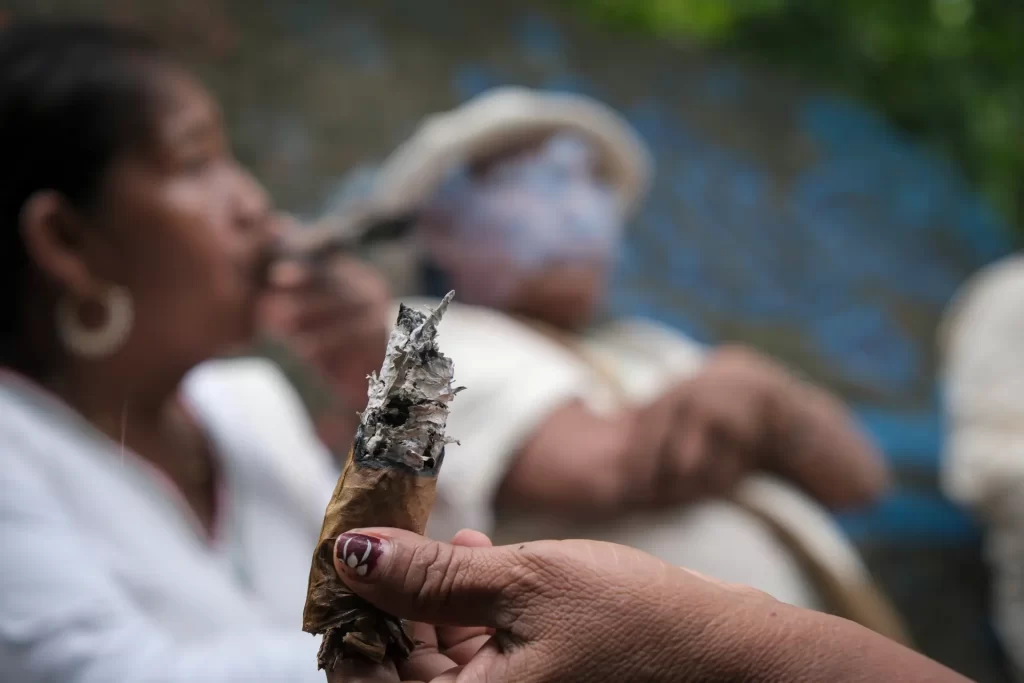
This article documents and systematizes ancestral relaxation and healing practices of the Ette-Ennaka Indigenous people, including therapeutic massage, guided meditation, aromatic plant-based practices, and embodied symbolic techniques, conceptualized as culturally grounded interventions for mental health recovery. These practices are examined not as complementary or alternative therapies, but as integral components of an Indigenous psychosocial system oriented toward emotional regulation, relational repair, and collective wellbeing.
Drawing from an intercultural, ecofeminist, and community-based framework implemented in Indigenous territories of northern Colombia, the study is based on the implementation of an ancestral healing model with 500 mother–daughter pairs exposed to chronic gender-based violence, armed conflict, water insecurity, and climate-related stressors. The intervention was developed and governed by an Indigenous women–led organization in coordination with traditional authorities, ensuring ethical integrity, community consent, and protection of ancestral knowledge.
Using a mixed-methods approach, the study analyzes psychosocial outcomes related to anxiety reduction, perceived safety, family communication, and community appropriation of practices. Findings indicate significant improvements in emotional regulation, strengthening of caregiver–child bonds, and increased adoption of ancestral self-care practices at the household level. The results highlight the effectiveness of embodied, non-verbal, and relational approaches in contexts where conventional clinical mental health services are inaccessible or culturally incongruent.
Beyond its local relevance, the article explores the global applicability and scalability of Indigenous mental health systems, identifying transferable mechanisms such as embodied regulation, family-centered healing, symbolic expression, and community-led facilitation. The study contributes to global mental health debates by challenging dominant biomedical paradigms and advocating for the recognition of Indigenous epistemologies as valid, ethical, and evidence-generating frameworks for trauma recovery in contexts of structural violence and climate crisis.
+ There are no comments
Add yours